Built by practitioners who had done the consultancy work — and knew it didn't have to take six months
CarbSynq is a carbon accounting platform. We do not provide sustainability consulting, offset brokering, or ESG rating advisory. We automate the data collection and disclosure drafting work that sustainability teams currently pay €80,000–€150,000 in consultancy fees to get done manually. Mid-cap European industrials facing mandatory CSRD had three options: Big-4 consultancy, an enterprise platform built for FTSE-100 complexity, or six months in Excel. We built a fourth option from Berlin.
Founded in Berlin, 2021
In 2019, Fabian Richter was building carbon reporting workflows at a European logistics company in Berlin — the company's first attempt at a GHG inventory. The process took five months: chasing procurement data from SAP, normalising energy meter CSVs from 14 sites, building bespoke Excel models that broke every time someone changed an invoice format, and sending a 40-question questionnaire to suppliers who replied to fewer than a third of the questions.
When the CSRD mandate was confirmed in Directive 2022/2464 with specific phased timelines, it was clear that thousands of European mid-caps would face the same problem simultaneously — and the consultancy model that charged €80,000–€150,000 per engagement couldn't scale to serve them all. The enterprise carbon platforms at the time were priced for Fortune-500 procurement budgets and required six-month implementation projects of their own.
CarbSynq was founded in Berlin in 2021 to automate exactly the data collection work that consumed most of the consultancy engagement time: invoice parsing, emission factor assignment, scope classification, and audit-trail generation. The goal was a platform that a sustainability officer at a 400-person industrial company could operate without external help — and that would produce output their assurance provider would accept on the first draft.

How we build
We will never ship a feature that produces a plausible-looking number faster than a defensible one. CSRD disclosures are audited documents. Wrong numbers have legal consequences for our customers.
Every engineer on the team has read ESRS E1 and the EU Taxonomy Delegated Acts. We are not building carbon accounting software that happens to mention CSRD. The regulation is the product spec.
When a customer asks us if we handle Scope 3 Category 15 (investments) for a diversified holding company, we say: not well, and here is why. We would rather lose a deal than set up a customer to produce an unreliable report.
GDPR compliance, German data residency, EUR pricing, ESRS-first methodology, and support team hours in CET are not features. They are the baseline expectation for a product built for European compliance teams.
Small team, deep expertise
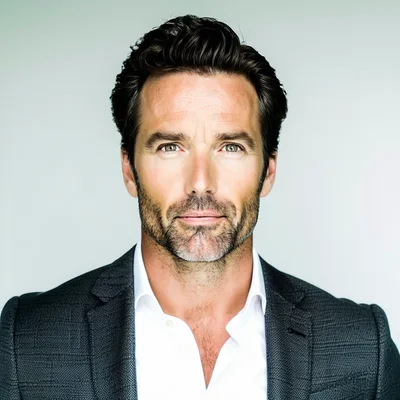
Built sustainability reporting workflows at a European logistics company before founding CarbSynq. Seven years in corporate carbon accounting, including GHG inventory design and CSRD readiness work for German mid-caps. Based in Berlin.
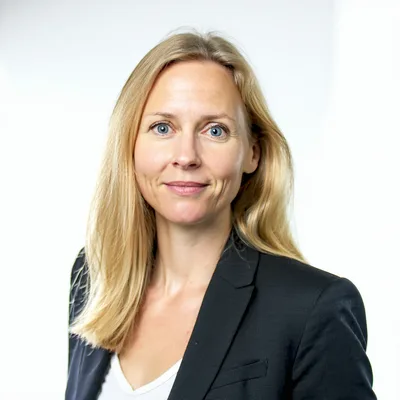
Environmental engineering background with five years in data systems at a European industrial group's sustainability function. Designed CarbSynq's Scope 3 category ingestion architecture and the supplier data portal.
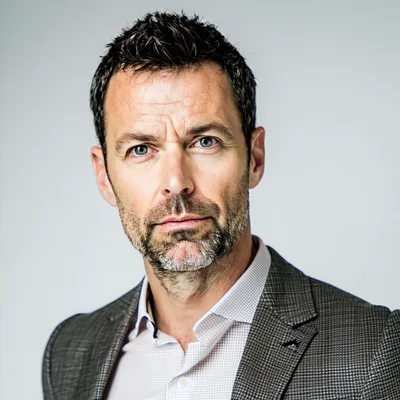
Built data ingestion and processing infrastructure at an energy analytics company before joining CarbSynq. Leads the emissions ledger architecture, the audit-trail system, and the pre-built connector programme for SAP and Oracle ERP environments.
Questions about CarbSynq?
We respond to all serious enquiries within one business day. For CSRD-specific questions, our team includes practitioners who have done this work.